Restoration that only asks communities to plant trees, without any path to income or ownership, is asking for a lot of goodwill with very little in return. Coastal restoration lasts longer when it creates livelihoods alongside ecological recovery, not after it.
Why Coastal Restoration Must Create Livelihoods, Not Just Plant Trees
A restoration site that costs a community time without ever paying that time back, in income, skills or a genuine stake in decisions, is relying on goodwill that tends to run out once outside funding ends. Building livelihoods into a restoration programme from the start, rather than treating them as a separate add-on, is what keeps stewardship going after the planting is finished.
what we do
Four ways to connect restoration and livelihoods
Treat communities as programme partners
Community members should help shape site priorities, access arrangements, restoration calendars and stewardship rules. This creates local ownership and brings practical knowledge into technical decision-making. Participation is strongest when responsibilities and benefits are clearly defined from the beginning.
Build skills around restoration
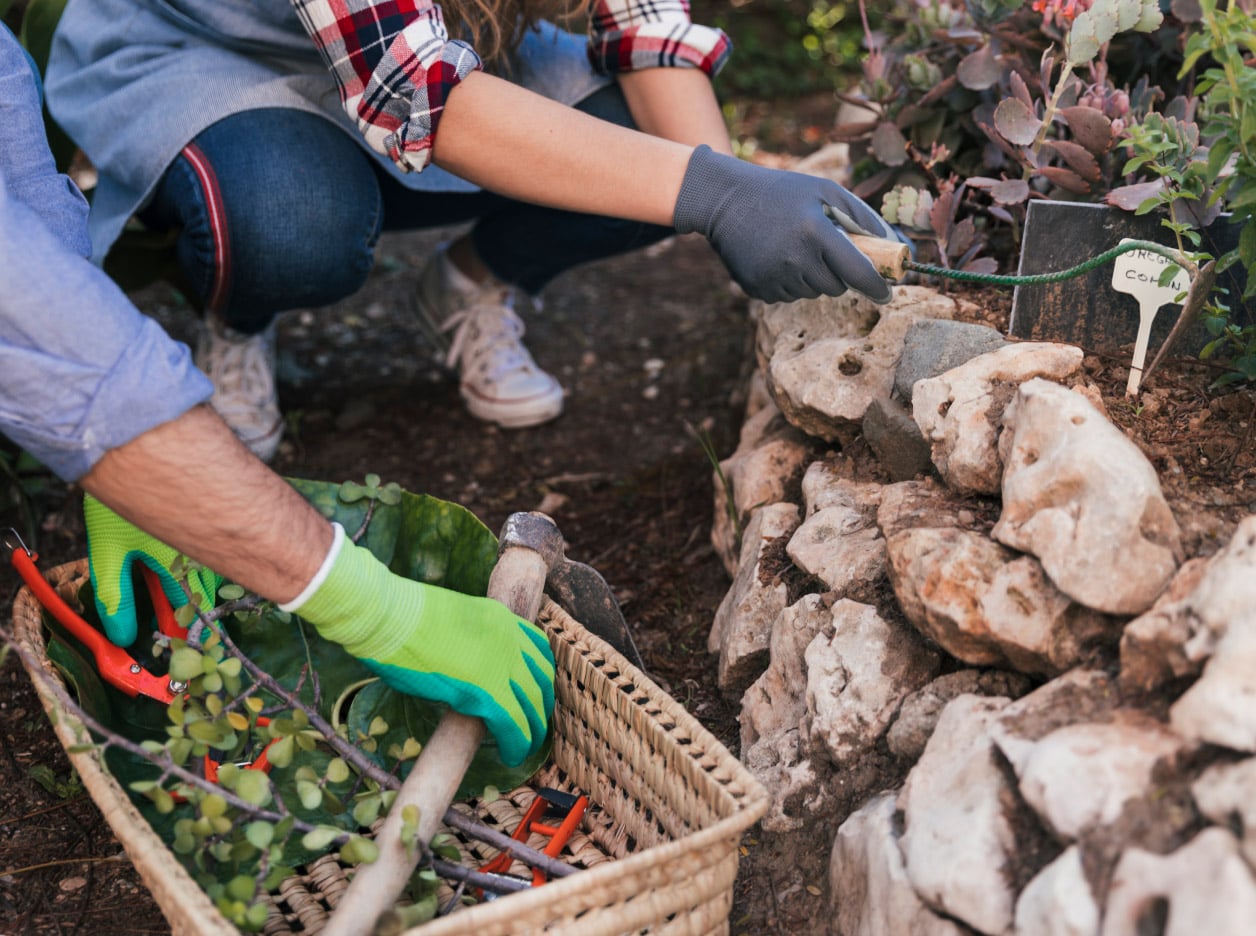
Nursery management, propagule collection, seedling care, field monitoring, restoration logistics and environmental education can all create useful local skills. Training should focus on capabilities that remain valuable beyond a single planting event.
Link healthy ecosystems to enterprise
Coastal enterprise can include sustainable aquaculture, fisheries-related value chains, climate-smart agriculture, nursery services and other locally appropriate activities. The goal is to reduce pressure on degraded ecosystems while increasing the value communities can derive from a healthier landscape.
Measure social and ecological outcomes together
A mature restoration programme should track more than planting activity. Useful indicators can include survival, natural regeneration, habitat condition, participation, skills gained, enterprise performance and community stewardship. Tracking these outcomes together helps funders and partners understand whether restoration is becoming durable.