A mangrove nursery is where restoration succeeds or fails months before a single seedling reaches the shoreline. Propagule selection, species matching and nursery care each shape whether that seedling survives once it is planted.
Mangrove Nursery Development: From Propagule to Field-Ready Seedling
A nursery exists to close the gap between a viable propagule and a seedling strong enough to survive tidal exposure, salinity and competition at a restoration site. It also creates a window for monitoring: weak stock can be identified and culled before it is ever planted, rather than counted as a failure in the field months later.
how it works
From Collection to a Field-Ready Seedling:
Collecting Propagules Responsibly
Propagules are collected from healthy, nearby mangrove stands rather than concentrated from a small number of parent trees, to protect the genetic diversity of the source population and avoid stressing any single stand.
Matching Species to Site Conditions
Kenya’s coast supports several mangrove genera, including Rhizophora mucronata, Avicennia marina and Ceriops tagal, each suited to a different position in the intertidal zone. Nursery stock is organised by species so each seedling is matched to the tidal elevation, salinity and substrate it was collected for.
Nursery Care and Quality Control
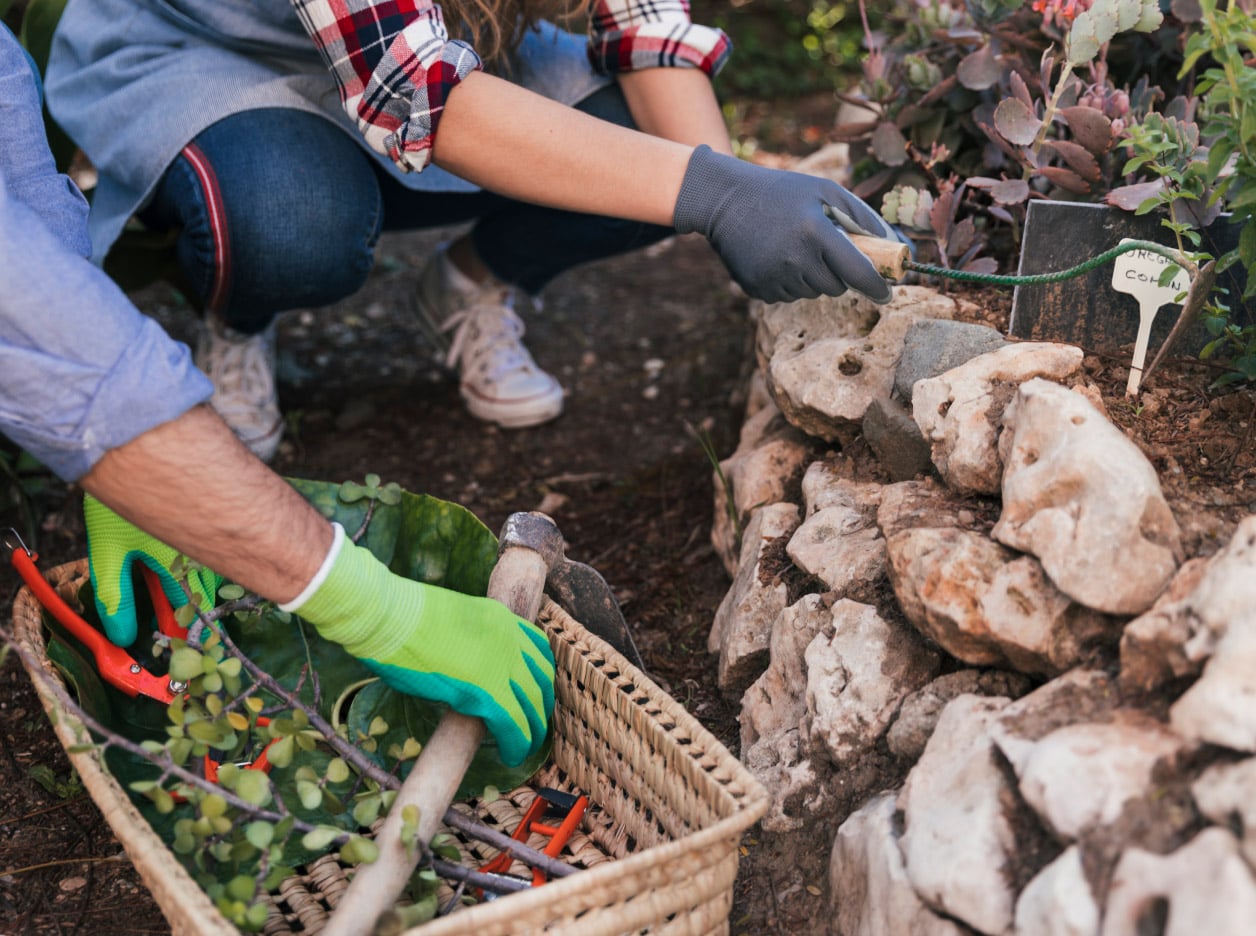
Between collection and planting, seedlings are held in shaded, tidally-appropriate nursery beds, monitored for pest damage and root development, and screened before field transfer.
Traceability
A record of each batch’s source stand, species and nursery period is kept, so survival data collected in the field can be traced back to a specific nursery cohort, feeding directly into monitoring and reporting.