

Overview
A blue carbon project that restores an ecosystem but sends its value elsewhere is not the model Twende works toward. Community benefit has to be built into a blue carbon project’s design, not added on afterward.
Support a ProgrammeBlue Carbon and Coastal Enterprise: Linking Ecosystem Restoration to Local Income
Twende approaches blue carbon as an ecosystem and development opportunity, not simply a carbon-credit activity. That means every blue carbon initiative needs community benefit and livelihood architecture designed in from the start.
blue carbon explained
What Benefit-Sharing Looks Like in Practice:
- Kenya's Own Working Example
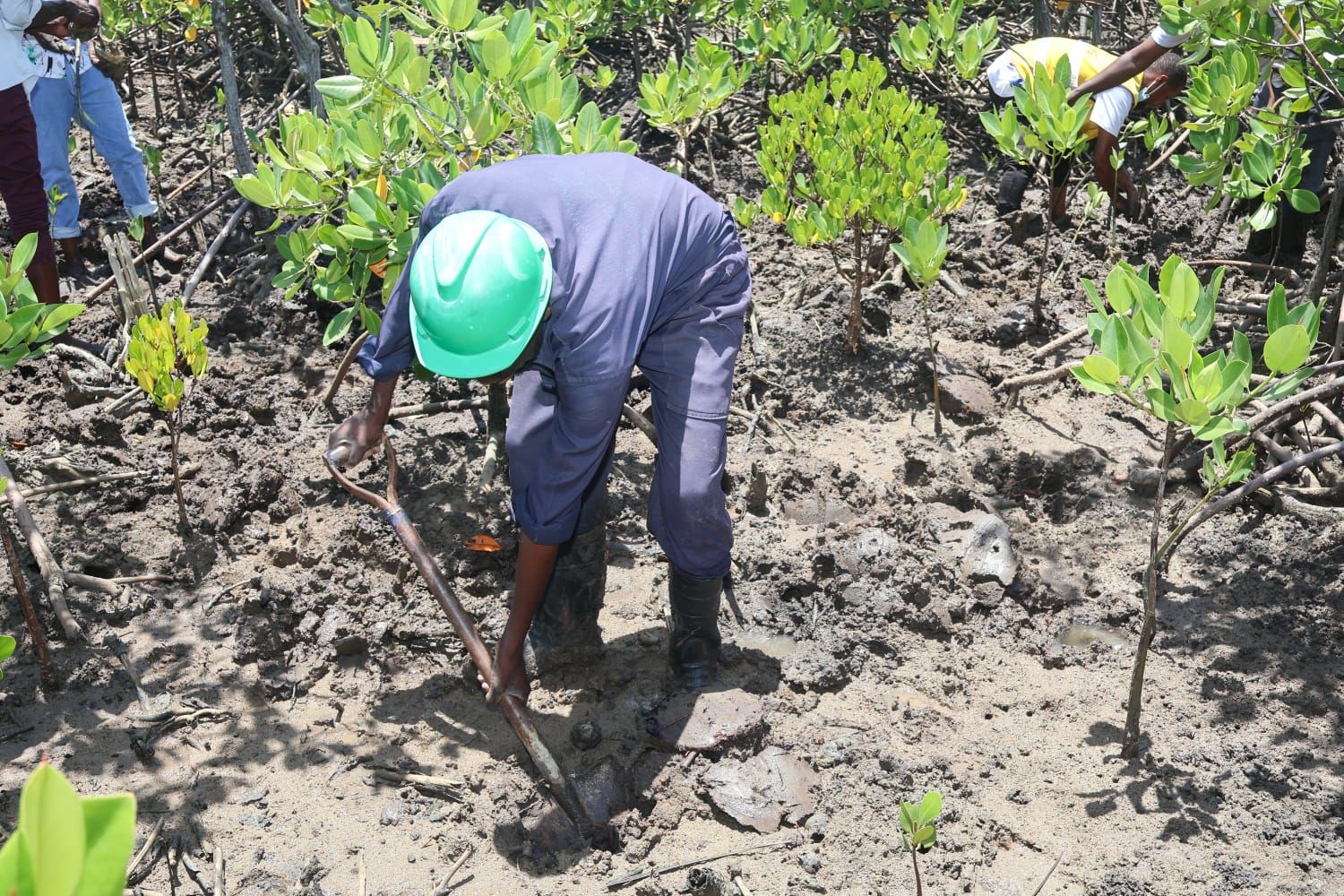
Gazi Bay’s Mikoko Pamoja project directs revenue from its mangrove carbon credits into community-decided local projects through a community organisation, rather than it being captured entirely by outside project developers.
- A Credible Model
It is the reason Mikoko Pamoja is held up internationally as a credible, community-led blue carbon model, not only an ecologically successful one.
- Enterprise as Part of That Architecture
Coastal enterprise, from nursery supply to climate-smart cash crops to nature-based tourism, is another route by which restoration generates local income directly.
- Community Benefit First
Twende prioritises appropriate baselines, transparent assumptions and recognised methodologies in any blue carbon work, and treats community benefit as inseparable from environmental credibility.