

Impact and evidence
Credible restoration needs evidence of what changed, where, for whom and over what period.
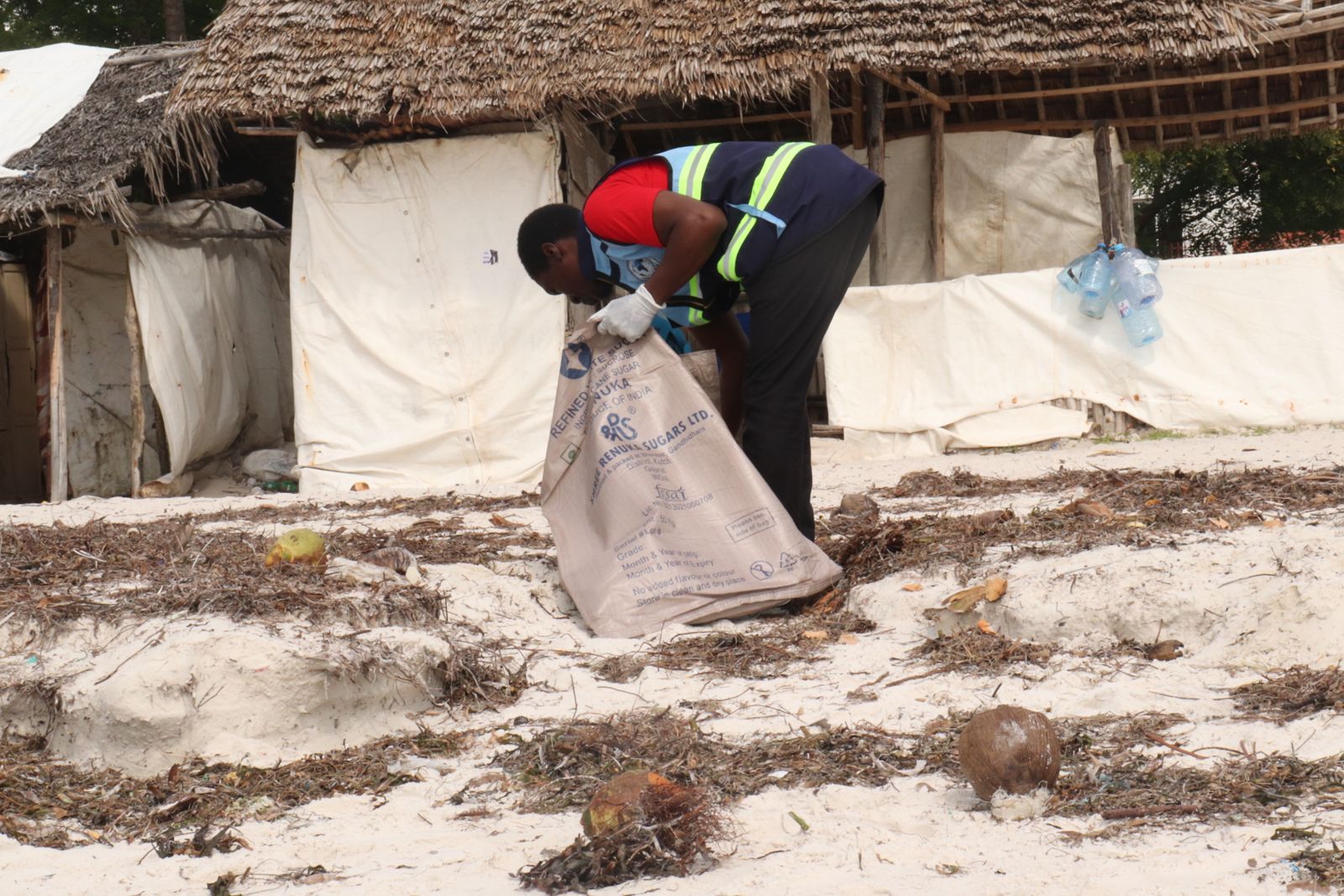
Evidence of what changed, where and for whom.
Credible restoration requires evidence of what changed, where it changed, for whom, and over what period. Twende is building an evidence architecture that distinguishes activities, outputs, outcomes and longer-term impact, rather than presenting all of them as the same thing.
Kenya’s Blue Carbon Ecosystems NDC Implementation and Investment Plan 2025-2035 projects what its national restoration targets could support. These are the plan’s own projections, not outcomes Twende has achieved or claims credit for.
Read our overview of the plan →What we track, and how it builds up.
Restoration records
Sites assessed, restoration interventions, and planting and regeneration records: the site-level activity data that every other layer of evidence is built on.
Ecological indicators
Survival and ecological indicators, and mangrove and seagrass condition, tracked against the baseline recorded before restoration work begins at each site.
Community and programme outcomes
Community participation, and training and enterprise outcomes: the human side of restoration, tracked alongside the ecological data rather than reported separately from it.
Monitoring and carbon data
Monitoring milestones, and carbon-related data where methodology supports it, reported with the same evidence discipline whether the underlying number is small, early-stage or still developing.
Every number carries a source
Every public impact number we publish carries a date, a geography, a programme name and a source. We distinguish clearly between Target, Planned, In Progress, Achieved and Independently Verified, and we do not use the word “verified” without an appropriate independent process behind it.
- A date
- A geography
- A programme name
- A source
- 1TargetWhat we set out to do
- 2PlannedScheduled and resourced
- 3In progressUnder way on the ground
- 4AchievedOur own records show it happened
- 5Independently verifiedChecked by an appropriate external process
Where our programmes currently stand
Twende’s programmes span several evidence stages at once. Some site-level activity is already Planned or In Progress; other outcomes, particularly ecological monitoring results and carbon-related data, take longer to accumulate and will be published as Achieved, and labelled Independently Verified, only once that evidence and process genuinely exist. We would rather show an honest In Progress than an inflated Achieved.
 Tuva Adams TuvaChairman
Led by Tuva Adams Tuva, Chairman.
Twende Green Planet is chaired by Tuva Adams Tuva, based in Nairobi. The rest of our leadership team will be introduced here as the organisation grows.
This is not a conference of conversations. It is a platform where partnerships are forged, commitments are made, and collective action drives lasting change.
What does Twende mean by “evidence architecture”?
A structured way of tracking restoration work that separates activities (what we did), outputs (what was directly produced), outcomes (what changed as a result) and longer-term impact, rather than treating all of these as interchangeable.
What is the difference between “Achieved” and “Independently Verified”?
Achieved means Twende’s own records show the outcome happened. Independently Verified means that outcome has additionally been checked by an appropriate external process. We only use “verified” when that independent process genuinely exists, the same standard Kenya’s own Mikoko Pamoja project is held to.
Does Twende publish carbon-related impact numbers?
Only where the underlying methodology supports it, and only labelled at the correct evidence stage. We do not present restoration activity as generating carbon credits by default, since that requires documented baselines, additionality, permanence and a recognised methodology.
Why doesn’t every programme have Achieved figures yet?
Because ecological and community outcomes take time to accumulate and verify honestly. A programme still in its early stages will show as Target, Planned or In Progress rather than Achieved, and we would rather state that plainly than round up.
Where can I see evidence for a specific programme?
Each programme page links back to this evidence framework, and programme-specific data is published there as it becomes available, dated, geolocated and sourced in line with the standard described on this page.